Capitol Hill to Main Street: Q1 2026 Legislative Economic Impact
Advertisements
Analysing the economic implications of recent legislative changes in Q1 2026 reveals significant shifts impacting everything from corporate taxation to individual consumer spending across the United States.
The intricate dance between policy decisions made on Capitol Hill and their tangible effects on Main Street is a constant subject of analysis. In Q1 2026, a series of significant legislative changes have been enacted, promising to ripple through the American economy. Understanding the comprehensive legislative economic impact is crucial for businesses, households, and investors alike.
Understanding the Q1 2026 Legislative Landscape
The first quarter of 2026 witnessed a flurry of legislative activity, driven by both existing political agendas and emerging economic challenges. These changes encompass a broad spectrum, from fiscal adjustments to regulatory reforms, each designed to steer the nation’s economic trajectory. Unpacking these policies is the first step towards comprehending their potential effects.
Several key pieces of legislation passed through Congress with bipartisan support, while others faced stiff opposition, ultimately impacting their final form. The legislative process itself, with its debates and compromises, often shapes the eventual economic outcomes.
Key Policy Areas Addressed
- Tax Reform Adjustments: Modifications to corporate and individual tax rates, including new deductions and credits aimed at specific sectors.
- Infrastructure Spending Initiatives: Allocation of significant funds towards upgrading national infrastructure, targeting job creation and long-term economic growth.
- Healthcare Legislation: Reforms impacting insurance coverage, prescription drug costs, and healthcare provider reimbursement, influencing household budgets.
- Environmental Regulations: New policies designed to promote green energy and reduce carbon emissions, with implications for energy costs and industrial practices.
These legislative pillars are not isolated; they interact in complex ways, sometimes reinforcing each other’s effects and at other times creating unforeseen trade-offs. The interplay between these policy areas will largely determine the overall economic climate in the coming months and years.
In conclusion, the legislative landscape of Q1 2026 is multifaceted, reflecting a proactive approach to economic governance. A thorough understanding of these foundational policies is essential for any analysis of their broader economic implications.
Fiscal Policy Shifts and Their Monetary Echoes
The legislative changes enacted in Q1 2026 have directly influenced fiscal policy, altering government spending patterns and revenue collection. These fiscal shifts rarely occur in isolation, often creating ripple effects that extend into monetary policy, influencing interest rates, inflation, and the overall money supply. It is a delicate balance that central banks must navigate.
When the government increases spending or cuts taxes, it typically injects more money into the economy, potentially stimulating demand. Conversely, austerity measures can dampen economic activity. The challenge lies in predicting the magnitude and timing of these impacts, especially when combined with existing monetary conditions.
Impact on Government Spending and Debt
Several bills passed in Q1 2026 authorised substantial spending in areas such as renewable energy and technological innovation. While intended to foster growth, this also raises questions about national debt and future fiscal sustainability.
- Increased Public Investment: Funds directed towards strategic sectors are expected to create jobs and boost productivity.
- Potential for Inflation: Higher government spending, if not offset by increased supply, could contribute to inflationary pressures.
- Debt Trajectory Concerns: The long-term implications of elevated spending on the national debt remain a point of debate among economists.
Monetary policy, managed by the Federal Reserve, often reacts to these fiscal developments. If fiscal expansion leads to inflation, the Fed might consider raising interest rates to cool the economy. This interplay between fiscal and monetary policy is critical for economic stability.
Ultimately, the fiscal policy shifts of Q1 2026 are poised to have a significant influence on the nation’s financial health. Their interaction with monetary policy will be a key determinant of whether these changes lead to sustainable growth or introduce new economic challenges.
Sector-Specific Impacts: Winners and Losers
Legislative changes rarely affect all sectors of the economy equally. In Q1 2026, specific industries are anticipated to experience pronounced impacts, creating both opportunities and challenges. Understanding these sector-specific dynamics is vital for businesses and investors to adapt and thrive in the evolving economic landscape.
Certain policies, such as targeted tax incentives or new regulatory frameworks, can provide a significant boost to some sectors while imposing additional costs or restrictions on others. This differentiation often leads to a re-allocation of resources and shifts in market competitiveness.
Emerging Opportunities and Challenges
The renewable energy sector, for instance, is projected to benefit substantially from new subsidies and investment tax credits. This legislative tailwind is expected to accelerate innovation and job creation in green technologies.
- Technology and Innovation: Increased government funding for research and development could spur growth in AI, biotechnology, and advanced manufacturing.
- Healthcare Providers: New regulations on pricing and reimbursement models may necessitate operational adjustments, potentially impacting profit margins for some providers.
- Traditional Manufacturing: While some infrastructure projects could benefit this sector, new environmental standards might require significant upgrading of facilities.
Conversely, sectors reliant on fossil fuels may face increased regulatory burdens and reduced investment as the economy transitions towards greener alternatives. The automotive industry, too, could see shifts as incentives for electric vehicles become more prominent.
In conclusion, the legislative agenda of Q1 2026 has created a clear dichotomy of winners and potential losers across various economic sectors. Strategic planning and adaptability will be paramount for businesses navigating these new realities.
Inflationary Pressures and Consumer Spending
One of the most keenly observed aspects of any legislative change is its potential effect on inflation and, consequently, consumer spending. The legislative package passed in Q1 2026 includes elements that could both exacerbate and mitigate inflationary pressures, creating a complex outlook for household budgets and retail activity.
Policies that inject significant demand into the economy without a corresponding increase in supply often lead to higher prices. Conversely, measures aimed at improving supply chains or reducing production costs could help to temper inflation. The impact on consumer spending is directly linked to these price dynamics and household purchasing power.
Factors Influencing Cost of Living
New tariffs on imported goods, part of a broader trade policy adjustment, could lead to higher prices for a range of consumer products. This directly impacts the cost of living for average American families.
- Energy Costs: Changes in environmental regulations and energy subsidies could influence fuel and utility prices, a significant component of household expenses.
- Food Prices: Agricultural subsidies or trade agreements can impact the cost of food, affecting all consumers, particularly those with lower incomes.
- Housing Market: Interest rate fluctuations, influenced by broader economic policy, will continue to play a crucial role in mortgage rates and housing affordability.
On the other hand, certain tax credits or direct aid programmes included in the legislation could provide some relief to consumers, partially offsetting inflationary effects. The net result for consumer spending will depend on the balance of these opposing forces.
Ultimately, the balance between inflationary pressures and consumer purchasing power will be a critical indicator of the broader economic health following the Q1 2026 legislative changes. Monitoring these trends will be essential for policymakers and households alike.
Labour Market Dynamics and Employment Trends
The legislative changes introduced in Q1 2026 are expected to have a profound impact on the labour market, influencing everything from job creation and unemployment rates to wage growth and skill demands. Understanding these dynamics is crucial for workers, businesses, and educational institutions alike as they adapt to the evolving economic landscape.
Policy decisions, whether through direct job creation initiatives, industry-specific subsidies, or changes in labour regulations, can significantly alter the supply and demand for various types of employment. These shifts can lead to new opportunities in some sectors while requiring retraining or relocation for workers in others.
Anticipated Shifts in Employment
The infrastructure spending bill, for instance, is projected to create a substantial number of jobs in construction, engineering, and related fields. This influx of demand will likely drive wage growth in these sectors.
- Green Jobs Growth: Investments in renewable energy and sustainable technologies are expected to fuel a surge in demand for specialised skills.
- Healthcare Sector Demand: Ongoing reforms and an ageing population will likely maintain strong demand for healthcare professionals, though roles may evolve.
- Retraining and Upskilling Needs: As certain industries contract or transform, there will be an increased need for programmes that help workers acquire new skills.
Conversely, changes in automation incentives or trade policies could lead to job displacement in some traditional manufacturing or service roles. The overall unemployment rate will be a key metric to watch, but the underlying composition of employment will tell a more nuanced story.
In conclusion, the legislative actions of Q1 2026 are set to reshape the American labour market. Businesses will need to strategise for talent acquisition, and individuals may need to consider new career pathways to align with these emerging trends.
Regional Disparities and Economic Equity
While legislative changes are enacted at a national level, their economic implications are rarely uniform across all regions of the United States. The policies passed in Q1 2026 are anticipated to amplify existing regional disparities or create new ones, affecting economic equity and the distribution of wealth and opportunity.
Factors such as existing industrial bases, demographic profiles, and infrastructure development can dictate how different regions experience the effects of national legislation. A policy that benefits one state with a strong manufacturing sector, for instance, might have little direct impact on another focused on tourism.
Uneven Distribution of Benefits and Costs
States with significant renewable energy potential, such as those in the sunbelt or with strong wind resources, are likely to see substantial economic benefits from green energy incentives.
- Rural Development: Infrastructure investments in broadband and transportation could revitalise rural economies, attracting new businesses and residents.
- Urban Centres: Policies impacting housing affordability and public transport will have a direct bearing on the quality of life and economic vibrancy of major cities.
- Resource-Dependent Regions: Areas reliant on traditional industries, like coal or oil, may face economic headwinds as national policy shifts towards sustainability.
Addressing these regional disparities often requires complementary state and local policies to ensure that the benefits of national legislation are more equitably distributed. Otherwise, the gap between economically thriving regions and those struggling could widen.
Ultimately, the legislative economic impact of Q1 2026 will not be a singular national experience but rather a mosaic of regional outcomes. Policymakers must remain attentive to these varied effects to foster more balanced national prosperity.
| Key Legislative Area | Brief Economic Impact |
|---|---|
| Tax Reform | Adjustments to corporate and individual taxes influencing investment and disposable income. |
| Infrastructure Spending | Significant investment creating jobs and stimulating growth in construction and related industries. |
| Environmental Regulations | Promoting green energy while potentially increasing costs for traditional industries. |
| Healthcare Legislation | Reforms affecting insurance costs, drug prices, and healthcare provider operations. |
Frequently Asked Questions About Q1 2026 Economic Changes
New tax reforms in Q1 2026 introduce specific deductions and credits that could benefit small businesses, especially those in targeted growth sectors. However, some administrative burdens might increase, necessitating careful financial planning and consultation with tax professionals.
The legislative changes present a mixed picture for inflation. Increased government spending could fuel demand, potentially raising prices, while investments in supply chain improvements might help to stabilise costs. The Federal Reserve’s monetary policy responses will be crucial.
Yes, significant job creation is anticipated, particularly in infrastructure, renewable energy, and technology sectors due to increased government investment. However, some traditional industries might experience job shifts, requiring workforce retraining and adaptation programs.
Consumer spending could see fluctuations. While some tax credits or reduced healthcare costs might boost disposable income, potential inflationary pressures on goods and services could offset these gains. Regional economic conditions will also play a significant role.
Regions with strong existing infrastructure, emerging technology hubs, or abundant renewable energy resources are likely to benefit most from the Q1 2026 legislative changes. Rural areas receiving infrastructure upgrades could also see significant economic revitalisation.
Conclusion
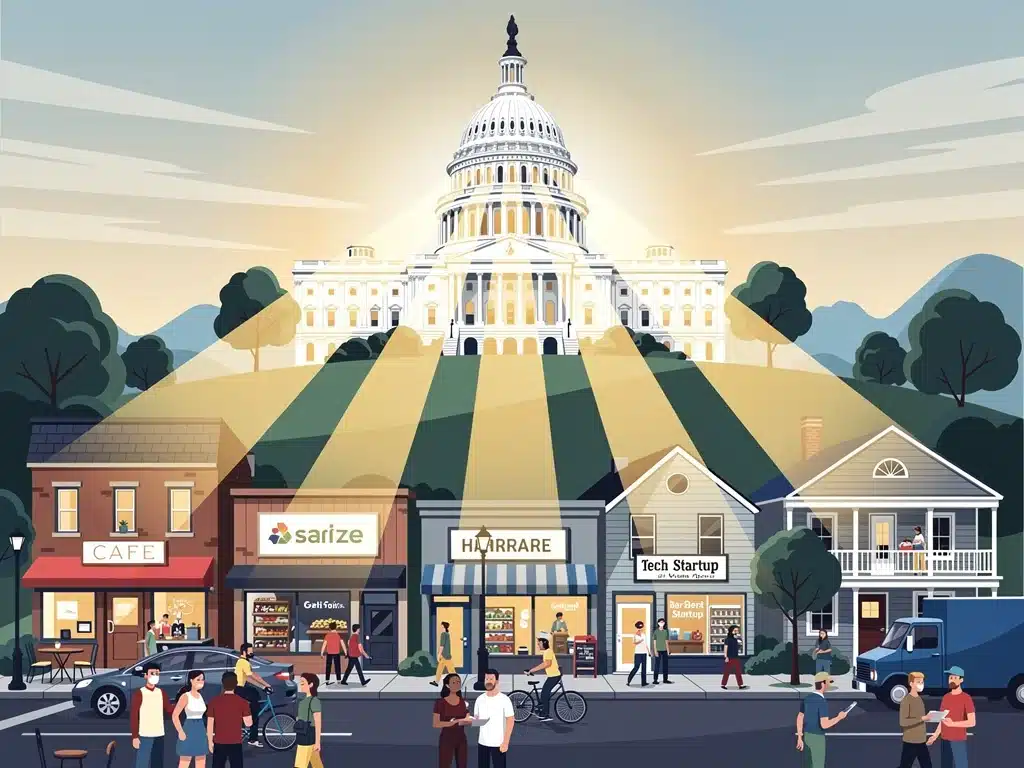
The legislative changes enacted in Q1 2026 represent a pivotal moment for the American economy, extending their influence from the halls of Capitol Hill directly to the daily lives and operations on Main Street. These policies, spanning fiscal adjustments, regulatory reforms, and targeted investments, are designed to shape the nation’s economic trajectory for years to come. While they promise growth in key sectors and aim to address pressing societal needs, they also introduce complexities related to inflation, labour market shifts, and regional economic equity. A nuanced understanding of these interconnected dynamics will be essential for navigating the evolving economic landscape and ensuring a resilient and prosperous future for all Americans.