2026 Midterm Elections: Policy Debates & US Household Impact
Advertisements
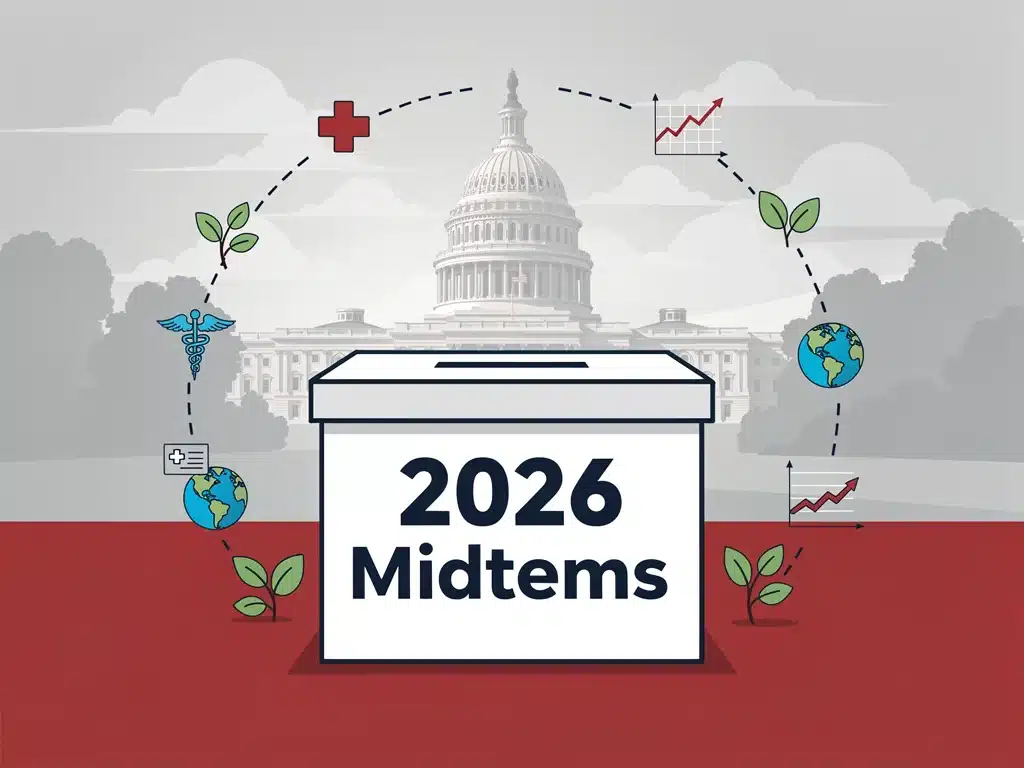
The 2026 Midterm Elections will significantly shape US policy and household finances, with pivotal debates on the economy, healthcare, and climate change determining future legislative directions and direct impacts.
As the political landscape in the United States continuously evolves, understanding the 2026 Midterm Elections: Unpacking Key Policy Debates and Their Impact on US Households – A 3-Month Outlook becomes paramount for every citizen. These elections, often seen as a referendum on the incumbent administration, will not only redefine the balance of power in Congress but also directly influence the economic and social fabric of American homes. This article delves into the crucial policy discussions currently taking shape and projects their potential effects over the upcoming months.
The Economic Landscape and Inflationary Pressures
The economy invariably stands at the forefront of any election cycle, and the 2026 midterms are no exception. Voters are acutely sensitive to their financial well-being, and current inflationary pressures combined with employment trends will heavily sway public opinion. Discussions around fiscal policy, interest rates, and government spending are already dominating headlines, with both parties proposing differing strategies to stabilise and grow the economy.
One of the primary concerns for US households remains the rising cost of living. From groceries to fuel, the everyday expenses continue to strain budgets. The Federal Reserve’s actions on interest rates, aimed at curbing inflation, have a direct impact on borrowing costs for mortgages, car loans, and credit cards, influencing consumer spending and investment decisions.
Fiscal Policy and Government Spending
The debate over government spending is a perennial one, but it takes on added significance during periods of economic uncertainty. Republicans often advocate for reduced government expenditure and tax cuts, arguing these measures stimulate private sector growth and curb inflation. Democrats, conversely, tend to support targeted government investments in infrastructure, social programmes, and green energy, believing these create jobs and foster long-term economic stability.
- Taxation: Discussions will centre on potential changes to corporate and individual tax rates, impacting business investments and household disposable income.
- Deficit Reduction: Both parties will present plans for addressing the national debt, though their approaches to achieving this will vary significantly.
- Infrastructure Investment: Continued funding for roads, bridges, and broadband internet remains a bipartisan interest, but the scale and scope of these projects are contentious.
The outcome of these debates will directly affect household budgets. Lower taxes could mean more take-home pay for some, while increased government spending on social programmes might provide a safety net for others. The balance struck in these areas will be a critical factor for voters assessing the parties’ economic competence.
Healthcare Reform: Access, Affordability, and Innovation
Healthcare remains a deeply personal and politically charged issue for millions of Americans. The 2026 midterms will undoubtedly see renewed focus on healthcare reform, with debates revolving around access to care, the affordability of insurance and prescription drugs, and the role of innovation in improving health outcomes. The current legislative framework, including the Affordable Care Act (ACA), will be scrutinised, with proposals for both expansion and repeal likely to surface.
For many households, healthcare costs represent a significant portion of their monthly expenditures. The rising premiums, deductibles, and out-of-pocket expenses make quality healthcare a luxury rather than a right for some. Political candidates will be pressed to offer concrete solutions that address these financial burdens.
Prescription Drug Costs and Insurance Coverage
The high cost of prescription drugs is a major pain point for American families. Proposals to allow Medicare to negotiate drug prices, increase generic drug competition, and cap out-of-pocket costs will be central to the healthcare debate. These measures could offer substantial financial relief to those managing chronic conditions or requiring expensive medications.
- ACA Modifications: Debates will focus on strengthening or dismantling key provisions of the ACA, impacting insurance markets and coverage for pre-existing conditions.
- Public Option: Some candidates may advocate for a public health insurance option to compete with private insurers, aiming to lower costs and expand access.
- Telehealth Expansion: The increased use of telehealth services, accelerated by recent global events, could become a permanent fixture, improving access to care in rural areas.
The choices made in healthcare policy will have profound implications for the health and financial security of US households. Voters will weigh proposals that promise to make healthcare more accessible and affordable, while also considering how these changes might impact the quality of care and medical innovation.
Climate Change and Energy Policy Transitions
The urgency of addressing climate change continues to gain momentum, and the 2026 midterm elections will undoubtedly feature robust discussions on energy policy, environmental regulations, and the transition to a greener economy. The impact of extreme weather events, coupled with growing awareness of sustainable practices, is pushing these issues higher on the political agenda. Households are increasingly feeling the effects of climate change, from rising insurance costs in vulnerable areas to higher energy bills.
The transition away from fossil fuels towards renewable energy sources is a complex undertaking with significant economic implications. While offering long-term environmental benefits, it also raises questions about energy security, job displacement in traditional industries, and the cost of new technologies. Political candidates will need to articulate clear, actionable plans that balance environmental protection with economic stability.
Renewable Energy Incentives and Regulations
Discussions will centre on government incentives for renewable energy development, such as tax credits for solar and wind power, and investments in battery storage and electric vehicle infrastructure. Conversely, regulations on emissions from industries and vehicles will also be debated, with differing views on their economic impact and effectiveness.
- Energy Costs: Policies impacting energy production and consumption will directly influence utility bills for households and transportation costs.
- Green Jobs: The potential for job creation in the renewable energy sector will be a key talking point, offering economic opportunities in new industries.
- Disaster Preparedness: Funding for climate resilience and disaster relief will become increasingly important as communities face more frequent and intense weather events.
The policy decisions made in this area will shape the future energy landscape of the US, affecting everything from the cost of electricity to the types of jobs available. Households will be looking for policies that offer both environmental protection and economic benefits, ensuring a stable and sustainable future.
Social Issues and Cultural Divides
Beyond economics and healthcare, a range of social issues continues to fuel intense debate and cultural divides across the United States. These topics, often deeply personal and morally charged, play a significant role in motivating voters and shaping election outcomes. From reproductive rights to education and immigration, these issues resonate deeply within households and communities, often reflecting fundamental differences in values and beliefs.
The political discourse surrounding these issues can be highly polarising, making it challenging for candidates to appeal to a broad base of voters. However, ignoring them is not an option, as they often drive voter turnout and influence the overall tone of the election. For many families, these social policies directly impact their daily lives, their children’s education, and their sense of belonging within society.
Reproductive Rights and Education Policy
Reproductive rights, particularly abortion access, remain a flashpoint issue following recent legal developments. Candidates’ stances on this will be a critical factor for many voters. Similarly, debates over education policy, including curriculum content, school choice, and funding for public schools, will directly affect parents and students.
- Immigration Reform: Discussions on border security, pathways to citizenship, and the treatment of undocumented immigrants continue to be highly contentious.
- Gun Control: Proposals for stricter gun laws versus the protection of Second Amendment rights will be a significant issue, particularly in light of ongoing concerns about public safety.
- LGBTQ+ Rights: Policies concerning LGBTQ+ equality, including non-discrimination laws and gender-affirming care, will be debated, reflecting evolving societal views.
The outcomes of these social policy debates will have a profound impact on the legal and cultural landscape of the nation, directly affecting the rights and well-being of various household demographics. Voters will be looking for candidates whose values align with their own on these deeply personal matters.
Foreign Policy and National Security Concerns
While often perceived as distant from daily household concerns, foreign policy and national security issues can have a surprisingly direct impact on American families. Global conflicts, trade agreements, and international alliances influence everything from gasoline prices to job availability in export-oriented industries. The 2026 midterms will see candidates articulating their visions for America’s role on the global stage, addressing ongoing geopolitical challenges and emerging threats.
Voters are increasingly aware that instability abroad can lead to economic disruptions at home. Supply chain issues, energy market volatility, and the potential for military engagement are all factors that can weigh on the minds of households. Candidates will need to demonstrate a clear understanding of these complex issues and offer strategies that protect American interests while promoting global stability.
International Trade and Geopolitical Stability
Discussions around international trade agreements will focus on their impact on American jobs, consumer prices, and the competitiveness of US industries. Geopolitical stability, particularly in regions of conflict, will be a concern, influencing defence spending and the potential for military deployments that affect service members and their families.
- Energy Security: Global energy markets are highly sensitive to geopolitical events, meaning foreign policy decisions can directly influence domestic fuel and heating costs.
- Cybersecurity: The threat of cyberattacks from state and non-state actors poses risks to national infrastructure and personal data, potentially impacting financial stability.
- Alliances and Diplomacy: The strength of international alliances and the effectiveness of diplomatic efforts are crucial for maintaining peace and fostering economic partnerships.
The decisions made regarding foreign policy and national security will shape the international environment in which the US operates, with ripple effects that can reach every American household. Voters will seek leadership that can navigate these complex global challenges effectively, ensuring both safety and prosperity.
The Role of Technology and Digital Policy
In an increasingly digital world, technology and digital policy have become central to both economic growth and individual well-being. The 2026 midterms will feature significant debates on issues such as artificial intelligence (AI) regulation, data privacy, cybersecurity, and the future of the internet. These discussions are not abstract; they directly impact how households interact with technology, protect their personal information, and access digital services.
The rapid advancement of AI, for example, presents both immense opportunities and potential risks, from job displacement to ethical dilemmas. Political candidates will be challenged to propose frameworks that foster innovation while safeguarding against misuse. For households, these policies will determine the security of their online activities, the fairness of algorithms that affect their lives, and their access to essential digital infrastructure.
AI Regulation and Data Privacy
Debates on AI regulation will consider how to govern its development and deployment to ensure ethical use, prevent bias, and protect workers. Data privacy legislation will also be a key focus, with discussions on how to give individuals more control over their personal data and hold companies accountable for its protection.
- Broadband Access: Ensuring affordable and reliable internet access for all households, especially in underserved areas, remains a critical infrastructure goal.
- Platform Accountability: Debates will continue on the responsibility of social media platforms for content moderation, misinformation, and user safety.
- Digital Economy: Policies impacting e-commerce, digital currencies, and gig economy workers will shape future economic opportunities and consumer protections.
The legislative decisions made in the realm of technology and digital policy will profoundly influence the digital lives of American households. Voters will be looking for candidates who can navigate these complex technological advancements, ensuring that innovation benefits everyone while protecting fundamental rights and security.
| Key Policy Area | Impact on US Households |
|---|---|
| Economic Stability | Directly affects inflation, employment, and cost of living. |
| Healthcare Access | Influences insurance costs, drug prices, and quality of care. |
| Climate & Energy | Shapes utility bills, job markets, and environmental resilience. |
| Social Issues | Affects reproductive rights, education, and community values. |
Frequently Asked Questions About the 2026 Midterms
Primary economic concerns include inflation, the rising cost of living, and employment stability. Voters are scrutinising candidates’ plans for fiscal policy, interest rates, and government spending, as these directly affect household budgets and financial security.
Healthcare policy debates will significantly impact families through discussions on insurance affordability, prescription drug costs, and access to care. Proposed changes to the Affordable Care Act and initiatives to lower drug prices could offer considerable financial relief and improve health outcomes for many households.
Climate change and energy policy will be crucial, influencing energy costs, environmental regulations, and the transition to renewable sources. Debates will focus on balancing environmental protection with economic stability, affecting utility bills and job opportunities in green industries.
Prominent social issues include reproductive rights, education policy, immigration reform, and gun control. These deeply personal topics resonate with voters, reflecting fundamental values and beliefs that directly impact communities and families across the US.
Technology and digital policy could affect households through AI regulation, data privacy laws, and broadband access initiatives. These policies will determine the security of online activities, the fairness of algorithms, and access to essential digital services, shaping the future digital landscape.
Conclusion
The 2026 Midterm Elections are poised to be a pivotal moment for the United States, with a myriad of policy debates directly influencing the daily lives and long-term prospects of American households. From the pressing concerns of economic stability and healthcare affordability to the evolving challenges of climate change, social issues, foreign policy, and technological advancement, the choices made at the ballot box will have far-reaching consequences. As we approach these crucial elections, a thorough understanding of these key policy discussions is essential for every citizen to make informed decisions that will shape the future of the nation and their own households. Staying engaged and informed over the next three months will be vital to navigating the complexities of the political landscape and understanding its potential impact.