Unlocking Peak Performance: 5 Data-Driven Recovery Strategies for Athletes in 2026
Advertisements
Optimising athlete recovery is paramount for unlocking peak performance and significantly lowering injury risk. This article explores five data-driven strategies poised to revolutionise athletic preparation by 2026.
In the relentless pursuit of athletic excellence, the margin between triumph and tribulation often lies not just in the intensity of training, but in the efficacy of recovery. By 2026, the landscape of sports science is set to be dominated by sophisticated, data-driven approaches to athlete recuperation. This article delves into how Unlocking Peak Performance: 5 Data-Driven Recovery Strategies for Athletes in 2026, Reducing Injury Risk by 15% will redefine athletic preparation, ensuring athletes not only perform at their best but also significantly mitigate the threat of injury.
The evolving science of athletic recovery
The traditional view of athletic recovery, often limited to passive rest and basic stretching, has undergone a radical transformation. Modern sports science now recognises recovery as an active, multifaceted process integral to performance enhancement and injury prevention. This shift is largely propelled by advancements in wearable technology and sophisticated analytical tools that provide unprecedented insights into an athlete’s physiological state.
Understanding the intricate balance between training load and recovery capacity is crucial. Over-training without adequate recovery can lead to decreased performance, increased susceptibility to illness, and, most critically, a higher risk of injury. The strategies discussed here leverage objective data to tailor recovery protocols, moving away from generic advice towards personalised, precise interventions.
Wearable technology and biometric feedback
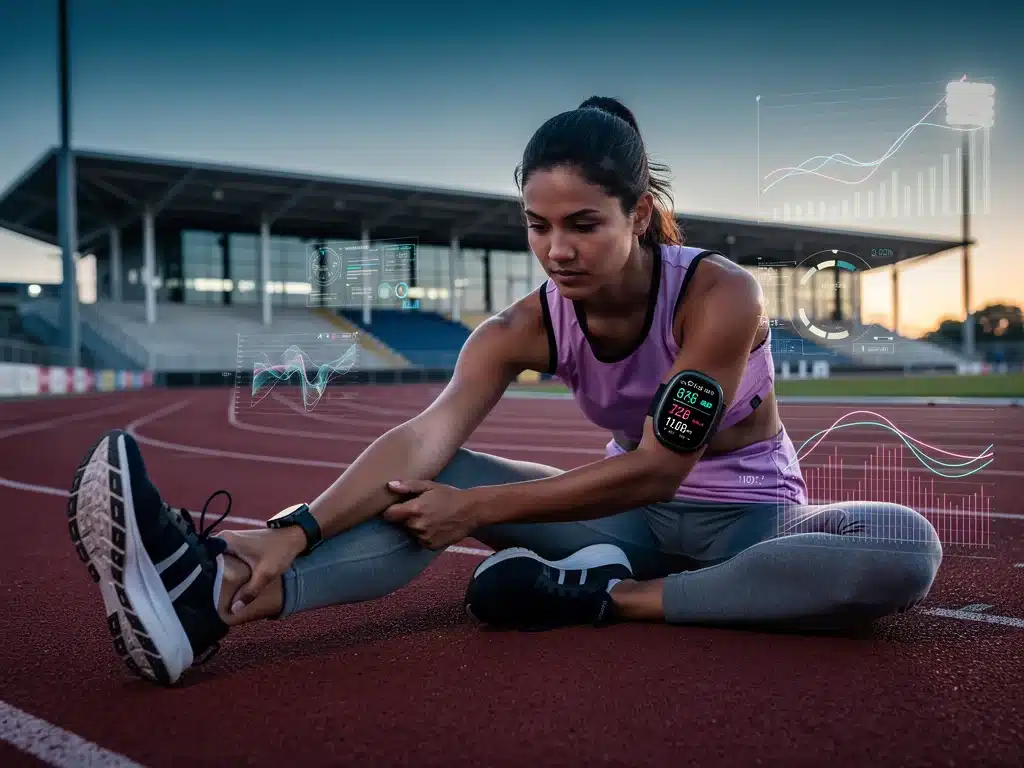
Wearable devices have become indispensable tools for monitoring an athlete’s recovery status. These devices track a multitude of physiological markers, offering real-time data that informs training and recovery decisions. From heart rate variability (HRV) to sleep patterns, the insights gained are invaluable.
- Heart Rate Variability (HRV): A key indicator of autonomic nervous system balance, HRV provides a window into an athlete’s readiness to train. A higher HRV generally signifies better recovery and adaptability.
- Sleep Tracking: Quality and quantity of sleep are foundational to recovery. Wearables precisely monitor sleep stages, interruptions, and overall duration, highlighting areas for improvement.
- Activity Monitoring: Beyond training, daily activity levels, including steps and non-exercise activity thermogenesis (NEAT), can impact recovery and energy expenditure.
The integration of these data points allows coaches and athletes to make informed decisions, adjusting training intensity or incorporating specific recovery modalities based on individual physiological responses. This proactive approach is central to optimising performance and reducing the likelihood of setbacks.
Personalised nutrition and hydration protocols
Nutrition and hydration are cornerstones of effective recovery, yet their application is often generalised. By 2026, data-driven approaches will allow for highly personalised protocols, moving beyond one-size-fits-all recommendations to meet the unique metabolic demands of each athlete. This involves understanding individual energy expenditure, nutrient timing, and fluid requirements based on specific training loads and physiological responses.
The goal is to replenish glycogen stores, repair muscle tissue, and reduce inflammation efficiently. This requires precise calculation of macronutrient and micronutrient intake, tailored to the type, duration, and intensity of activity, as well as an athlete’s individual biological markers and dietary preferences.
Metabolic profiling and dietary customisation
Advanced metabolic profiling provides a detailed snapshot of an athlete’s energy pathways and nutrient utilisation. This data, combined with genetic insights, allows for the creation of truly bespoke nutritional plans. For instance, some athletes may benefit from a higher carbohydrate intake post-exercise, while others might thrive on increased protein to support muscle protein synthesis.
- Genetic Testing: Identifying genetic predispositions to nutrient absorption, metabolism, and inflammatory responses can fine-tune dietary recommendations.
- Continuous Glucose Monitoring (CGM): Real-time glucose data helps athletes understand their carbohydrate utilisation and optimise intake to prevent energy dips and support recovery.
- Hydration Biomarkers: Beyond simply drinking water, monitoring urine specific gravity or blood osmolality can provide precise hydration needs, critical for maintaining physiological function and preventing performance decrements.
These personalised nutritional strategies are not merely about fuel; they are about optimising cellular repair, immune function, and systemic recovery, directly contributing to sustained peak performance and reducing injury risk.
Advanced sleep optimisation techniques
Sleep is arguably the most potent recovery tool available to athletes, yet it is often overlooked or poorly managed. In 2026, advanced sleep optimisation techniques, driven by data and environmental controls, will become standard practice. This goes beyond simply ensuring enough hours of sleep; it focuses on enhancing sleep quality, cycling, and efficiency to maximise restorative processes.
Poor sleep impairs cognitive function, reduces reaction time, decreases muscle glycogen synthesis, and elevates circulating inflammatory markers. Conversely, optimised sleep accelerates muscle repair, bolsters the immune system, and improves hormone regulation, all vital for athletic performance and injury resilience.
Environmental controls and chronobiological alignment
Creating an optimal sleep environment is paramount. This includes controlling temperature, light, and sound. However, modern approaches extend to chronobiological alignment, understanding an athlete’s natural sleep-wake cycle, and structuring training and recovery activities to complement it.
- Smart Lighting Systems: Mimicking natural light cycles can help regulate circadian rhythms, promoting healthier sleep onset and wakefulness.
- Temperature Regulation: Optimising bedroom temperature (typically cooler) is crucial for deep sleep initiation and maintenance.
- Blue Light Filtering: Reducing exposure to blue light from screens before bed can significantly improve melatonin production and sleep quality.
Furthermore, timing meals, exercise, and exposure to natural light in accordance with an athlete’s individual chronotype can significantly enhance sleep architecture, leading to more profound and effective recovery periods.
Targeted active recovery and regeneration
Passive rest, while beneficial, is often insufficient for comprehensive recovery. Targeted active recovery and regeneration strategies, guided by real-time physiological data, are essential for accelerating the removal of metabolic waste products, promoting blood flow, and restoring range of motion. These methods are designed to actively facilitate the body’s repair processes without imposing additional stress.
The key lies in selecting the right modality and intensity based on the athlete’s current state and the demands of their preceding training session. This prevents over-taxing already fatigued systems while still providing the necessary stimuli for recovery.
Biomechanical analysis and soft tissue therapy
Utilising advanced biomechanical analysis helps identify areas of muscular imbalance or dysfunction that could impede recovery or increase injury risk. This data then informs targeted active recovery interventions and soft tissue therapies.
- Low-Intensity Aerobic Work: Activities like swimming or cycling at a low heart rate help flush out lactic acid and reduce muscle soreness without adding significant stress.
- Foam Rolling and Myofascial Release: These techniques address muscle tightness and trigger points, improving flexibility and reducing localised pain.
- Dynamic Stretching and Mobility Drills: Restoring full range of motion is crucial for preventing stiffness and preparing muscles for subsequent training sessions.
Integrating these active recovery methods, informed by objective data on muscle activation and recovery markers, ensures that athletes are not just resting, but actively regenerating their bodies most effectively.
Mental and psychological well-being integration
While often overshadowed by physical aspects, mental and psychological well-being are inextricably linked to an athlete’s recovery and overall performance. Chronic stress, anxiety, and mental fatigue can significantly hinder physical recovery processes, elevate cortisol levels, and increase injury vulnerability. By 2026, data-driven approaches will increasingly integrate psychological monitoring and intervention to provide holistic support.
Understanding an athlete’s mental load and stress response is as crucial as monitoring their physical output. Tools and techniques that address mental fatigue and promote psychological resilience will be fundamental components of comprehensive recovery strategies.
Stress monitoring and mindfulness practices
Objective measures of psychological stress, such as daily questionnaires, mood tracking apps, and even specific HRV patterns, can alert coaches to an athlete’s mental state. This data allows for timely intervention and the implementation of stress-reduction techniques.
- Mindfulness and Meditation: Regular practice can reduce stress, improve focus, and enhance sleep quality, all contributing to better recovery.
- Cognitive Behavioral Therapy (CBT) techniques: Helping athletes manage performance anxiety and negative thought patterns can significantly reduce mental fatigue.
- Biofeedback Training: Learning to consciously control physiological responses like heart rate and breathing can empower athletes to better manage stress and promote relaxation.
By treating the mind as an integral part of the recovery equation, athletes can not only recover physically but also maintain the mental fortitude required for sustained peak performance, further reducing the incidence of stress-related injuries.
Emerging technologies and future outlook
The horizon of athlete recovery is continuously expanding with the advent of new technologies and deeper scientific understanding. By 2026, we anticipate even more sophisticated tools and methodologies that will further refine data-driven recovery strategies. These innovations promise to offer even greater precision and customisation, pushing the boundaries of human performance.
From advanced imaging techniques that detect micro-traumas before they become significant injuries to AI-powered predictive analytics that forecast recovery needs, the future of athletic recuperation is bright. The integration of these technologies will not only enhance individual athlete care but also inform broader training methodologies across sports.
AI-driven predictive analytics and personalised interventions
Artificial intelligence (AI) is set to play a transformative role in recovery. By analysing vast datasets from wearables, training logs, and even genetic profiles, AI can predict an athlete’s recovery needs with unprecedented accuracy, recommending specific interventions before fatigue or injury symptoms manifest.
- Digital Twins: Creating virtual replicas of athletes that simulate physiological responses to training and recovery protocols, allowing for risk-free experimentation and optimisation.
- Personalised Supplementation: AI-driven analysis of blood markers and genetic data can recommend precise micronutrient and supplement dosages tailored to individual deficiencies and demands.
- Advanced Imaging for Micro-trauma Detection: Non-invasive imaging technologies detecting subtle tissue changes can enable pre-emptive recovery strategies, preventing minor issues from escalating into major injuries.
These future technologies underscore a shift towards truly proactive and preventative recovery, where interventions are not just reactive but intelligently anticipated, ensuring athletes remain robust and highly performing throughout their careers.
| Key Strategy | Brief Description |
|---|---|
| Data-Driven Monitoring | Utilising wearables for HRV, sleep patterns, and activity to inform recovery needs. |
| Personalised Nutrition | Customising intake based on metabolic profiling, genetics, and real-time glucose data. |
| Advanced Sleep Optimisation | Enhancing sleep quality through environmental controls and chronobiological alignment. |
| Mental Well-being Integration | Incorporating stress monitoring, mindfulness, and CBT to support holistic recovery. |
Frequently asked questions about athlete recovery
HRV measures the variation in time between heartbeats. It reflects the activity of the autonomic nervous system. A higher HRV often indicates better recovery and readiness for training, suggesting the body is adapting well to stress and can perform optimally.
Personalised nutrition uses an athlete’s unique metabolic profile, genetic data, and real-time biometric feedback (like continuous glucose monitoring) to create a diet plan specifically tailored to their individual needs, rather than generic recommendations.
Optimal sleep is vital for muscle repair, hormone regulation, immune function, and cognitive restoration. It directly impacts an athlete’s physical and mental readiness, making it a powerful tool for enhancing performance and reducing injury risk.
Active recovery, such as low-intensity aerobic work or dynamic stretching, helps remove metabolic waste, improve blood flow, and restore range of motion. This active regeneration prevents stiffness, reduces soreness, and addresses biomechanical imbalances that could lead to injury.
Mental stress and fatigue can elevate cortisol, impair immune function, and hinder physical repair processes. Integrating psychological support, mindfulness, and stress management techniques ensures holistic recovery, preventing mentally induced physical setbacks and improving overall resilience.
Conclusion
The future of athletic achievement is inextricably linked to the sophistication of recovery protocols. By 2026, the adoption of data-driven strategies for athlete recovery will no longer be an option but a necessity for those striving for peak performance and significant injury risk reduction. From advanced biometric monitoring to personalised nutrition, sleep optimisation, targeted active recovery, and comprehensive mental well-being support, these five pillars represent a holistic and scientifically grounded approach to preparing athletes for the demands of elite competition. Embracing these innovations will empower athletes to not only push their physical boundaries but also sustain their careers with greater resilience and fewer setbacks, truly unlocking their ultimate potential.