2026 Electoral Reforms: Voter Turnout & US Representation
Advertisements
The 2026 electoral reforms in the US are poised to significantly alter voter turnout and political representation by introducing new voting methods, registration policies, and campaign finance regulations.
The landscape of American democracy is constantly evolving, and 2026 electoral reforms are set to introduce significant changes. These reforms could fundamentally reshape how citizens engage with the political process, potentially impacting everything from voter turnout to the very nature of political representation across the United States. Understanding these shifts is crucial for anyone invested in the future of US governance.
Understanding the Core of the 2026 Electoral Reforms
The upcoming 2026 electoral reforms are a culmination of years of debate and legislative effort, aiming to address perceived shortcomings in the current American voting system. These reforms are not monolithic; they encompass a variety of changes at both federal and state levels, each with distinct implications for the electoral process. From efforts to streamline voter registration to adjustments in campaign finance laws, the scope is broad.
At their heart, these reforms seek to balance two often-competing objectives: enhancing election security and expanding voter access. Proponents argue that a more secure and accessible system will bolster public confidence and encourage greater participation. Critics, however, often raise concerns about potential unintended consequences, such as increased administrative burdens or the risk of partisan manipulation.
Key Legislative Changes and Their Intentions
Several pivotal legislative changes form the bedrock of the 2026 reforms. One significant area focuses on standardising voter registration processes nationwide. This move aims to reduce the complexity and inconsistency that currently exist across states, which can often deter potential voters.
- Automatic Voter Registration (AVR): This reform seeks to automatically register eligible citizens when they interact with government agencies, such as the Department of Motor Vehicles.
- Same-Day Registration (SDR): Allowing individuals to register and vote on the same day, potentially increasing participation among those who miss registration deadlines.
- Online Voter Registration: Expanding digital platforms to make registration more convenient and accessible from home.
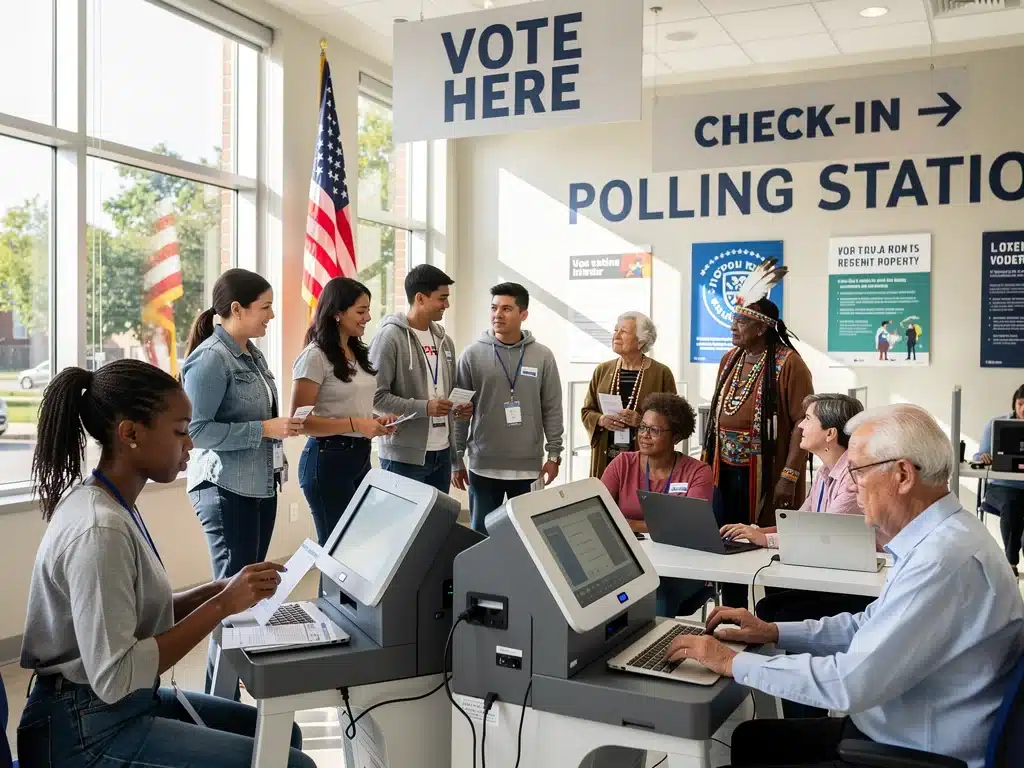
Another crucial aspect involves modernising voting infrastructure. This includes mandates for updated voting machines, enhanced cybersecurity measures, and improved poll worker training. The intention here is to ensure the integrity of the vote and prevent technical glitches or external interference.
In conclusion, the core of the 2026 electoral reforms is a multifaceted attempt to refine and strengthen the democratic process. By addressing registration barriers and modernising infrastructure, legislators hope to create a more robust and equitable system, though the ultimate impact remains to be seen.
Potential Impacts on Voter Turnout
The primary goal of many 2026 electoral reforms is to boost voter turnout, particularly among demographics historically underrepresented at the polls. By making the act of voting easier and more convenient, reformers anticipate a noticeable increase in participation. However, the actual impact could vary significantly depending on the specific reforms implemented and how they are received by the electorate.
For instance, the widespread adoption of automatic voter registration (AVR) and same-day registration (SDR) is expected to have a direct positive correlation with turnout. Studies from states that have already implemented these measures show a clear uptick in voter participation, especially among younger voters and those from lower-income backgrounds who might otherwise face greater hurdles to registration. These reforms remove a significant administrative barrier, making it simpler for eligible citizens to cast their ballots.
The Role of Early Voting and Mail-in Ballots
Expanding access to early voting and mail-in ballots is another cornerstone of these reforms. The COVID-19 pandemic accelerated the adoption of these methods, and the 2026 reforms aim to solidify their presence as permanent options. Allowing more days for in-person voting and making voting by post more accessible can significantly reduce wait times and provide greater flexibility for voters with demanding schedules.
- Increased Convenience: Voters can cast ballots at their leisure, reducing the need to take time off work or navigate busy polling stations.
- Reduced Barriers: Particularly beneficial for individuals with disabilities, the elderly, or those in remote areas.
- Enhanced Stability: Less susceptible to unforeseen events like adverse weather conditions on election day.
However, the expansion of these methods also comes with debate regarding election security. While proponents highlight their convenience and potential to increase turnout, critics often voice concerns about the potential for fraud or coercion. Balancing these perspectives will be crucial for the successful implementation and public acceptance of these reforms.
In summary, the potential for the 2026 electoral reforms to increase voter turnout is substantial. By simplifying registration and expanding voting options, the aim is to remove obstacles and encourage a broader cross-section of the population to participate in the democratic process.
Shifting Political Representation Across the US
Beyond simply increasing the number of voters, the 2026 electoral reforms also have the potential to profoundly alter political representation across the United States. Changes in how votes are cast and counted can shift the balance of power, leading to different electoral outcomes and, consequently, a more diverse or different composition of elected officials. This aspect of the reforms is often the most contentious, as it directly impacts established political dynamics.
If voter turnout increases significantly, particularly among historically underrepresented groups, the demographic profile of the electorate will change. This could empower minority communities, younger voters, and urban populations, leading to stronger advocacy for their specific interests and policy priorities. Political parties and candidates would need to adapt their platforms to appeal to this broadened and potentially more diverse voter base.
Impact of Redistricting and Fair Maps Initiatives
A critical component of the 2026 reforms in some states involves redistricting reform, often through independent commissions or non-partisan criteria. Gerrymandering, the practice of drawing electoral district boundaries to favour one party or group, has long been a contentious issue. Fair maps initiatives aim to create more competitive districts, where the outcome is less predetermined by district lines and more reflective of the actual preferences of voters.
- Increased Competitiveness: More districts become swing districts, requiring candidates to appeal to a wider range of voters.
- Enhanced Accountability: Elected officials are more accountable to the electorate as a whole, rather than just their partisan base.
- Greater Voter Efficacy: Voters feel their vote has a more direct impact on the election outcome.
The shift towards fairer maps could lead to more moderate candidates and policies, as those seeking office would need to win over a broader spectrum of voters. This could mitigate the extreme partisan polarisation that has characterised recent political cycles. Conversely, resistance to these reforms from entrenched political interests could limit their effectiveness.
Overall, the 2026 electoral reforms hold the promise of a more representative political landscape. By fostering greater participation and ensuring fairer electoral maps, these changes could lead to a government that more accurately reflects the diverse will of the American people, though the path to achieving this is complex.
Technological Innovations and Election Security
The 2026 electoral reforms place a significant emphasis on integrating technological innovations to enhance both the efficiency and security of elections. The goal is to leverage modern technology to streamline processes, improve accuracy, and safeguard against interference, whether foreign or domestic. However, the adoption of new technologies also introduces new challenges, particularly concerning cybersecurity and public trust.
One key area of innovation involves the widespread deployment of new voting machines. These machines are often designed with enhanced security features, such as paper trails for auditability, and improved accessibility options for voters with disabilities. The aim is to move away from older, less secure systems and embrace technologies that offer greater transparency and reliability.
Cybersecurity Measures for Digital Elections
As more aspects of election administration move online, from voter registration databases to vote tabulation, robust cybersecurity measures become paramount. The 2026 reforms include provisions for significant investment in election security infrastructure, training for election officials, and collaboration with federal agencies to protect against cyber threats.
- Multi-Factor Authentication: Implementing stronger identity verification for election officials accessing sensitive systems.
- Regular Security Audits: Conducting frequent assessments of election systems to identify and patch vulnerabilities.
- Threat Intelligence Sharing: Collaborating with intelligence agencies to stay ahead of evolving cyber threats.
Despite these efforts, the introduction of new technologies can also spark public apprehension. Concerns about the reliability of electronic voting, the potential for hacking, and the privacy of voter data are common. Ensuring transparency and providing clear, accessible information to the public about how these technologies work will be crucial for maintaining confidence in the electoral process.
In conclusion, technological innovations are a double-edged sword in the context of electoral reform. While they offer immense potential for improving election efficiency and security, they also demand careful implementation, continuous vigilance, and robust communication to build and maintain public trust.
Campaign Finance and Its Influence on Outcomes
The 2026 electoral reforms also touch upon campaign finance regulations, an area consistently identified as a significant factor in shaping political outcomes and representation. The influx of money into political campaigns can create an uneven playing field, potentially allowing wealthy donors and special interest groups to exert undue influence. Reforms in this domain aim to create a more equitable system, where the voices of ordinary citizens are not drowned out by large financial contributions.
One proposed change involves increasing transparency requirements for political spending. This could include stricter disclosure rules for dark money groups, which are non-profit organisations that spend heavily in elections but are not required to reveal their donors. By shining a light on these contributions, the public can better understand who is funding political campaigns and what interests they represent.
Public Financing of Elections and Small-Dollar Donations
Another significant reform being considered is the expansion of public financing for elections. This system aims to reduce candidates’ reliance on large private donations by providing public funds to match small-dollar contributions. The idea is to empower ordinary citizens to become more influential donors, thereby shifting the focus of campaigns away from wealthy patrons.
- Reduced Influence of Big Money: Candidates spend less time fundraising from wealthy donors and more time engaging with constituents.
- Increased Candidate Diversity: Individuals without access to large donor networks can more realistically run for office.
- Greater Responsiveness to Voters: Candidates become more accountable to a broader base of small-dollar donors.
However, public financing schemes often face criticism regarding their cost to taxpayers and the potential for abuse. Crafting regulations that are effective, efficient, and widely accepted is a complex undertaking. The debate also extends to the role of Super PACs and independent expenditures, which operate outside the direct control of campaigns but can spend unlimited amounts of money.
Ultimately, reforms to campaign finance in 2026 seek to rebalance the influence of money in politics. By promoting transparency and empowering small-dollar donors, these changes could lead to a political system where elected officials are more beholden to their constituents than to powerful financial interests.
Challenges and Criticisms of the Reforms
While the 2026 electoral reforms are designed to improve the democratic process, they are not without their challenges and criticisms. Any significant overhaul of election laws inevitably sparks debate, with various stakeholders raising concerns about their potential impact, fairness, and feasibility. Understanding these objections is crucial for a balanced perspective on the reforms.
One primary challenge lies in the partisan divide that often characterises discussions about election law. Reforms that one party views as essential for democracy, another might perceive as an attempt to gain an unfair advantage. This political polarisation can complicate the implementation of reforms and undermine public confidence, even in well-intentioned changes.
Legal Challenges and Constitutional Questions
Many of the 2026 electoral reforms are expected to face legal challenges, potentially leading to prolonged court battles. Questions about states’ rights versus federal mandates, the interpretation of voting rights, and the constitutionality of certain provisions are likely to arise. These legal disputes can delay implementation and create uncertainty, hindering the intended positive effects of the reforms.
- First Amendment Concerns: Debates over campaign finance regulations often touch upon free speech rights.
- Equal Protection Clause: Challenges regarding voter ID laws or registration requirements may invoke this clause.
- State Sovereignty: Some reforms could be seen as federal overreach into traditionally state-controlled election administration.
Furthermore, practical implementation challenges are significant. Election administrators, often operating with limited resources, will need to adapt to new rules, train staff, and update technology. The sheer scale of coordinating these changes across thousands of jurisdictions within the US is a monumental task, and any missteps could lead to confusion or disenfranchisement.
In conclusion, despite their noble aims, the 2026 electoral reforms face considerable hurdles. Overcoming partisan opposition, navigating complex legal landscapes, and ensuring smooth practical implementation will be critical for their success and for achieving their desired impact on voter turnout and political representation.
| Key Reform Area | Brief Impact |
|---|---|
| Voter Registration | Automatic and same-day registration aims to increase overall voter turnout. |
| Voting Access | Expanded early voting and mail-in ballots enhance convenience and participation. |
| Redistricting | Fair maps initiatives seek to create more competitive and representative districts. |
| Campaign Finance | Transparency and public financing reforms aim to reduce influence of big money. |
Frequently Asked Questions About 2026 Electoral Reforms
The main goals include increasing voter turnout, enhancing election security, and improving the fairness of political representation across the US. Reforms aim to streamline processes and reduce barriers to participation.
Automatic voter registration (AVR) is expected to significantly boost turnout by registering eligible citizens when they interact with government agencies, removing a key administrative hurdle, especially for new voters.
Potentially. By increasing turnout among underrepresented groups and promoting fairer redistricting, the reforms could shift the demographic profile of the electorate, leading to more competitive elections and diverse representation.
New voting technologies will feature enhanced cybersecurity, paper trails for audits, and improved accessibility. Increased investment in election security infrastructure and training for officials is also planned to protect against cyber threats.
Criticisms often revolve around partisan disagreements, potential legal challenges regarding constitutionality, and practical implementation difficulties for under-resourced election administrators across different jurisdictions.
Conclusion
The 2026 electoral reforms represent a pivotal moment for American democracy, carrying the potential to reshape voter participation and political representation for years to come. By addressing issues from voter registration and access to election security and campaign finance, these reforms aim to create a more inclusive, secure, and representative electoral system. While challenges in implementation and partisan disagreements are inevitable, the ultimate goal is to strengthen the foundational pillars of US governance, ensuring that the voice of every citizen is heard and accurately reflected in the nation’s leadership. The success of these reforms will depend on careful execution, public education, and a collective commitment to democratic principles.