US Theatrical Trends 2026: Broadway & Touring Insights
Advertisements
Decoding the latest US theatrical trends 2026 reveals a landscape shaped by technological integration, evolving storytelling, and renewed audience engagement strategies for both Broadway and touring productions, promising a dynamic future for live performance.
When considering US theatrical trends 2026, one can anticipate a vibrant evolution across Broadway and touring shows, driven by innovation, audience shifts, and a renewed commitment to diverse storytelling. This article delves into the transformative forces shaping the American theatrical landscape, offering insights into what audiences and industry professionals alike can expect in the coming years.
Technological Integration and Immersive Experiences
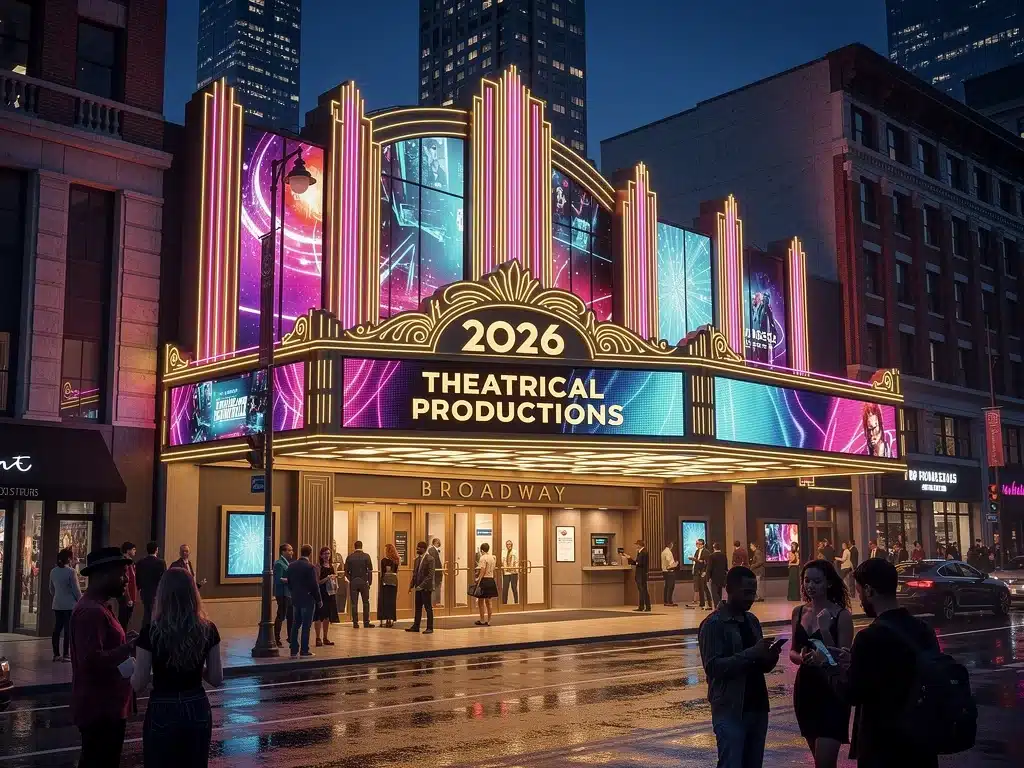
The theatrical world is increasingly embracing technology to enhance storytelling and create truly immersive experiences. By 2026, advanced digital projections, augmented reality (AR), and even virtual reality (VR) elements are expected to be more commonplace, moving beyond mere spectacle to become integral parts of narrative delivery.
This integration aims to blur the lines between audience and performance, drawing viewers deeper into the story. Imagine a set that dynamically changes with subtle cues from the actors, or historical scenes brought to life with projections that transport the audience directly into the past. These advancements are not just about flash; they are about enriching the emotional connection with the material.
Digital Scenography and Projection Mapping
Digital scenography is revolutionising how sets are designed and executed. Instead of cumbersome physical sets, projection mapping allows for instantaneous transformations, creating dynamic and fluid environments.
- Flexibility: Scenes can change in seconds, offering seamless transitions between locations.
- Cost-effectiveness: Reduces the need for multiple physical sets, potentially lowering production costs.
- Visual Depth: Adds layers of visual information and atmosphere that traditional sets cannot replicate.
- Environmental Impact: Less material waste from set construction and disposal.
Augmented Reality (AR) in Live Theatre
AR technology is beginning to find its footing in live performances, offering personalised enhancements for audience members. While still nascent, 2026 could see more widespread experimental use.
- Interactive Programmes: Audience members could use their smartphones to unlock additional content related to characters or plot points.
- Enhanced Visuals: Subtle AR overlays could add magical realism or fantastical elements visible through personal devices.
- Accessibility Features: AR could provide real-time subtitles or sign language interpretation for specific seats.
The goal is to maintain the live, communal aspect of theatre while offering individualised layers of engagement. This careful balance ensures technology serves the art, rather than overshadowing it, fostering a new era of theatrical innovation.
Ultimately, technological integration in theatre is about expanding the creative palette for directors and designers. It allows for bolder artistic choices and offers audiences unprecedented ways to experience stories, solidifying its place as a key trend for 2026 and beyond.
Evolving Storytelling and Narrative Diversity
The narratives gracing Broadway and touring stages are becoming increasingly diverse, reflecting a broader societal push for inclusion and representation. By 2026, audiences can expect a richer tapestry of stories that challenge traditional perspectives and amplify underrepresented voices.
This shift isn’t merely about casting; it’s about the very essence of the stories being told. Playwrights and composers are exploring complex social issues, historical events from new angles, and personal journeys that resonate with a wider audience demographic. The aim is to create theatre that is both entertaining and thought-provoking, fostering empathy and understanding.
Authenticity in Character and Plot
There’s a growing demand for authenticity in character development and plotlines. Audiences are seeking stories that feel real, even when dealing with fantastical elements, and that reflect the complexities of the human experience.
- Diverse Perspectives: More stories are being told from the viewpoints of various cultural, ethnic, and gender identities.
- Untold Histories: Historical narratives are being re-examined, bringing to light previously marginalised stories and figures.
- Contemporary Relevance: Plays and musicals are tackling current social and political topics, sparking important conversations.
- Nuanced Portrayals: Characters are depicted with greater depth, moving beyond stereotypes to explore their full humanity.
This emphasis on authenticity enriches the theatrical landscape, ensuring that theatre remains a vital mirror reflecting society’s ongoing evolution.
New Approaches to Classic Works
While new works are flourishing, there’s also a trend towards reinterpreting classic plays and musicals through a contemporary lens. Directors are finding fresh ways to make timeless stories relevant to today’s audiences.
This can involve updating settings, re-imagining character motivations, or even gender-bending roles to explore new dimensions of familiar texts. The goal is not to discard the original intent but to reveal new layers of meaning that resonate with modern sensibilities. These reinterpretations often spark vibrant discussions about the enduring power of theatre and its capacity for adaptation.
The push for narrative diversity extends to the creative teams as well. More opportunities are being created for playwrights, directors, and designers from varied backgrounds, ensuring that the stories being told are genuinely reflective of a multifaceted world. This holistic approach to diversity is crucial for the continued relevance and vibrancy of US theatrical productions in 2026.
Audience Engagement and Accessibility Initiatives
Engaging audiences beyond the curtain call and making theatre more accessible are crucial trends shaping the industry for 2026. Producers and venues are implementing innovative strategies to foster deeper connections with theatre-goers and break down barriers to participation.
This involves everything from pre-show talks and post-performance Q&As to digital content that extends the theatrical experience. Accessibility, meanwhile, is moving beyond physical ramps to encompass financial, cultural, and informational considerations, aiming to welcome a broader demographic into theatre spaces.
Digital Platforms and Hybrid Experiences
The pandemic accelerated the adoption of digital platforms, and while live theatre has returned, hybrid models are likely to persist. Digital content can serve as a powerful tool for engagement.
- Streaming Archives: Access to recorded performances for educational purposes or wider reach.
- Behind-the-Scenes Content: Videos and interviews offering insights into the creative process.
- Interactive Websites: Platforms where audiences can learn more about a show’s themes or historical context.
- Virtual Workshops: Online sessions with cast or crew members, deepening fan engagement.
These digital extensions ensure that the theatrical experience doesn’t end when the lights come up, allowing for continuous interaction and appreciation.
Enhanced Accessibility for All
True accessibility goes beyond basic compliance and seeks to create an inclusive environment for everyone. This is a significant focus for 2026, encompassing various aspects.
Efforts include sensory-friendly performances for individuals with autism or sensory sensitivities, relaxed performances where audience members can move and make noise without judgment, and increased availability of audio descriptions and sign language interpretation. Financially, initiatives like lottery tickets, rush seats, and community outreach programs are vital in making theatre affordable.
Furthermore, cultural accessibility involves programming choices that resonate with diverse communities and marketing efforts that reach beyond traditional theatre-going demographics. By actively removing these barriers, US theatrical productions are striving to be more reflective of and welcoming to the entire population, ensuring a sustainable and vibrant future.
The Business of Broadway and Touring: Economic Shifts
The economic landscape for Broadway and touring shows in 2026 is marked by significant shifts, influenced by post-pandemic recovery, evolving consumer habits, and the increasing costs of production. Adapting to these changes is paramount for the industry’s sustained success.
Producers are exploring new financial models, seeking diversified revenue streams, and collaborating in innovative ways to manage budgets and maximise reach. The focus is on creating viable productions that can withstand economic fluctuations while still delivering high-quality artistic experiences.
Sustainable Funding Models
Traditional funding models are being re-evaluated, with a greater emphasis on sustainability and resilience. This includes a mix of private investment, philanthropic support, and government grants.
- Diversified Investment: Attracting a wider range of investors, including impact investors focused on social and cultural returns.
- Corporate Partnerships: Strategic alliances with brands that align with theatrical values, offering sponsorship and marketing support.
- Crowdfunding: Leveraging public interest and smaller donations to fund specific projects or new works.
- Endowment Funds: Building long-term financial stability for non-profit theatre organisations.
These varied approaches help mitigate risks and ensure a more stable financial foundation for future productions.
Optimising Touring Show Logistics
Touring productions, vital for bringing Broadway-calibre theatre to wider audiences, face unique logistical and economic challenges. In 2026, there will be continued efforts to streamline these operations.
This includes optimising travel routes, managing freight costs more efficiently, and exploring modular set designs that are easier and less expensive to transport. Technology also plays a role in tour management, from digital ticketing systems to advanced scheduling software. The goal is to make touring more economically feasible and environmentally responsible, ensuring that shows can reach as many cities as possible without prohibitive costs.
Moreover, local partnerships with regional theatres and community organisations are becoming increasingly important for touring shows. These collaborations can provide local expertise, marketing support, and a deeper connection to the communities visited, fostering goodwill and broader audience engagement. The economic health of touring shows is crucial for the overall vitality of US theatrical productions.
The Rise of Regional Theatres and New Work Development
Regional theatres are increasingly becoming vital incubators for new works and a significant force in shaping the future of US theatrical productions by 2026. These theatres often have the flexibility and community connection to take risks on innovative projects that might be too experimental for Broadway’s commercial pressures.
This trend highlights the decentralisation of theatrical innovation, with regional venues fostering a rich ecosystem of emerging talent and diverse storytelling. Their role in developing new plays and musicals before they potentially move to larger stages is indispensable.
Incubators for New Voices and Stories
Regional theatres provide a crucial platform for playwrights, composers, and directors to experiment and refine their craft. They are often less constrained by commercial demands than Broadway.
- Developmental Workshops: Dedicated sessions for new scripts to be read, discussed, and revised.
- World Premieres: Staging of entirely new plays and musicals, giving them their first public viewing.
- Artist Residencies: Programs that support creators in developing their work over an extended period.
- Community Engagement: Opportunities to test new material with local audiences and gather valuable feedback.
This nurturing environment is essential for the continuous flow of fresh, original content into the theatrical pipeline.
The Pathway from Regional to Broadway
Many successful Broadway productions, especially new musicals and plays, often begin their lives in regional theatres. This established pathway is expected to strengthen by 2026.
A successful run at a regional theatre can generate critical buzz, attract potential investors, and allow for the necessary adjustments before a show makes its move to New York. This not only de-risks Broadway productions but also ensures that only the most robust and audience-tested works reach the highly competitive New York stage. This symbiotic relationship between regional and Broadway theatres is a cornerstone of the American theatrical ecosystem, driving innovation and excellence across the board.
The investment in regional theatre is an investment in the future of American theatre itself. By supporting these vital institutions, the industry ensures a steady stream of fresh talent and groundbreaking stories, keeping the theatrical landscape dynamic and relevant for years to come.
Health and Well-being in the Industry
The focus on health and well-being for everyone involved in US theatrical productions, from performers to backstage crew, is gaining significant traction and will be a key trend by 2026. The demanding nature of theatre, coupled with lessons learned from recent global events, has brought mental and physical health to the forefront.
This shift encompasses better working conditions, increased access to mental health resources, and a more holistic approach to supporting the entire theatrical community. The goal is to create a healthier, more sustainable environment for artistic creation.
Mental Health Support and Resources
The pressures of performance, auditions, and the often-unstable nature of freelance work can take a toll on mental health. The industry is responding with more robust support systems.
- Counselling Services: Increased access to therapists and mental health professionals specifically for theatre workers.
- Wellness Programmes: Initiatives focused on stress reduction, mindfulness, and resilience.
- Peer Support Networks: Communities where individuals can share experiences and offer mutual support.
- Reduced Stigma: Efforts to normalise conversations around mental health, encouraging individuals to seek help without fear of judgment.
Prioritising mental well-being is seen as essential for fostering a creative and productive environment.
Physical Wellness and Injury Prevention
Performers, particularly in dance-heavy musicals, face significant physical demands. Proactive measures for physical wellness and injury prevention are becoming standard practice.
This includes access to physical therapy, regular warm-up and cool-down routines, and ergonomic considerations for backstage crew. Nutrition and adequate rest are also being emphasised as crucial components of a healthy theatrical career. Workshops on vocal health for singers and proper body mechanics for dancers are becoming more prevalent, ensuring that artists can sustain their careers long-term.
The emphasis on health and well-being reflects a broader understanding that the human capital within the industry is its most valuable asset. By investing in the physical and mental health of its professionals, US theatrical productions are building a more resilient, compassionate, and ultimately more creative future for 2026 and beyond.
| Key Trend | Brief Description |
|---|---|
| Technological Integration | Advanced digital projections, AR, and VR for immersive storytelling and dynamic sets. |
| Narrative Diversity | Increased focus on authentic, inclusive stories and voices, challenging traditional perspectives. |
| Audience Engagement | Hybrid experiences, digital content, and enhanced accessibility measures for wider reach. |
| Regional Theatre Growth | Regional venues as vital incubators for new works and diverse talent development. |
Frequently Asked Questions About US Theatrical Trends in 2026
By 2026, digital scenography, projection mapping, and subtle augmented reality (AR) elements are expected to significantly impact Broadway. These technologies will create more dynamic and immersive stage environments, allowing for seamless scene changes and deeper audience engagement without sacrificing the live performance aspect.
Touring shows are adapting by prioritising narrative diversity, enhancing accessibility, and leveraging digital platforms for extended engagement. They are also optimising logistics for sustainability and collaborating with regional venues to connect more deeply with local communities, ensuring a broader and more inclusive reach.
Yes, absolutely. The trend towards evolving storytelling is strongly linked to increased diversity. By 2026, audiences can anticipate a wider array of narratives that reflect varied cultural, ethnic, and gender identities, alongside fresh interpretations of classic works, fostering a richer and more representative theatrical landscape.
Regional theatres are crucial as incubators for new works and emerging talent. They provide a vital space for experimental productions, workshops, and world premieres, often serving as a launchpad for shows that eventually transfer to Broadway. Their flexibility allows for risk-taking and the development of diverse voices.
The industry is increasingly focused on the health and well-being of its professionals. This includes providing better access to mental health resources, implementing wellness programmes, and prioritising physical health and injury prevention for performers and crew. These initiatives aim to create a more supportive and sustainable working environment.
Conclusion
The US theatrical landscape in 2026 is poised for a period of dynamic transformation, marked by a confluence of technological innovation, deeply resonant storytelling, and a renewed focus on audience and industry well-being. From the dazzling digital scenography enhancing Broadway spectacles to the vital role of regional theatres in nurturing new works, the sector is demonstrating remarkable adaptability and an unwavering commitment to artistic excellence. The emphasis on diversity, accessibility, and mental health initiatives signals a mature industry striving for greater inclusivity and sustainability. As these trends continue to evolve, audiences can anticipate an even richer, more engaging, and profoundly impactful theatrical experience across the nation.